
FEARFUL AVOIDANT ATTACHMENT COACHINGWhen You Crave Love & Fear It At The Same Time
STUCK CHASING CONNECTION & RUNNING FROM IT

If relationships feel like a confusing mix of longing, anxiety, avoidance, hope, and self-protection, you may be experiencing fearful avoidant (or “disorganized”) attachment. Disorganized attachment coaching helps you understand these conflicting patterns, heal the underlying wounds driving them, and build the security needed for healthy relationships.
As seen in:



What Is Fearful Avoidant Attachment?
Fearful avoidant attachment, sometimes called disorganized attachment, combines both anxious and avoidant patterns. You may deeply crave connection while simultaneously feeling afraid of it, creating a confusing push-pull dynamic.
At its core, disorganized attachment often develops when the people who were supposed to provide safety also became a source of fear, unpredictability, inconsistency, or emotional pain.

These patterns aren't your fault. But they don't have to be your future.
Signs You May Have A Fearful Avoidant Attachment Style

Relationships Often Feel Emotionally Intense
You may experience strong emotional highs and lows, become deeply invested quickly, or feel consumed by uncertainty in relationships.

You Alternate Between Closeness and Distance
You might crave connection one day and feel overwhelmed by it the next.

Even when someone treats you well, part of you may remain on guard waiting for disappointment, rejection, or betrayal.
Trust Feels Difficult

You Fear Abandonment but Also Fear Dependence
You may worry about losing people while simultaneously fearing becoming too reliant on them.

You Feel Confused by Your Own Reactions
Many people with disorganized attachment say: "I don't understand why I keep doing this."
Who This Is For:
You deeply want love, but relationships often feel confusing, overwhelming, or emotionally intense.
You find yourself moving toward connection one moment and pulling away the next.
You worry about being abandoned, rejected, or hurt - yet also fear losing your independence.
You struggle to fully trust that someone can love you without disappointing, controlling, or leaving you.
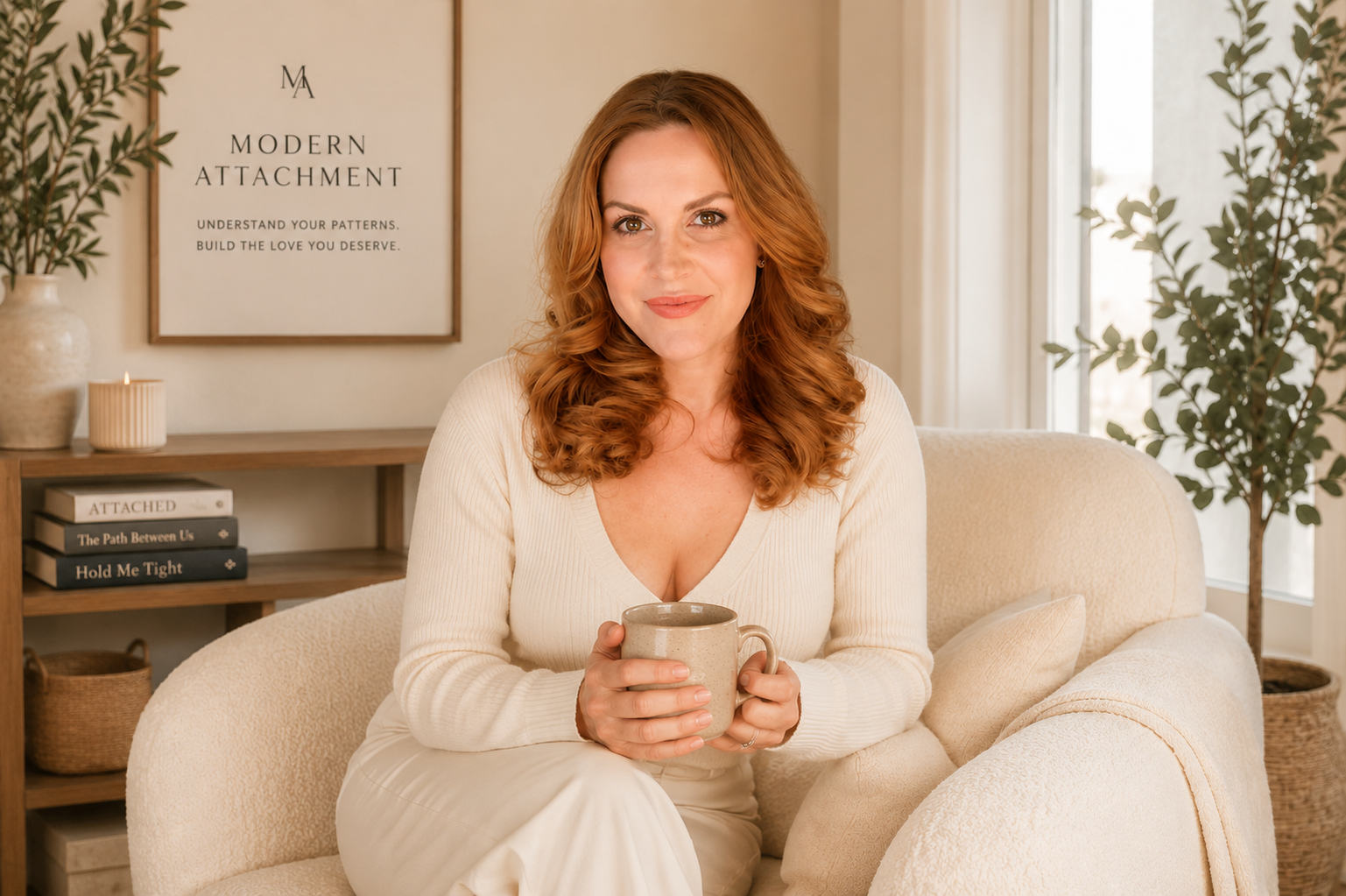

When you understand your attachment style, you stop blaming yourself and start building the love you’ve always wanted.
-Dr. Lindsay O’Shea
Clinical Psychologist & Attachment Expert
How Fearful Avoidant Attachment Style Coaching Helps
As your attachment security grows, many clients discover that life feels less exhausting and more intentional. They feel calmer, more confident, and more aligned in their relationships, decisions, and daily lives.

Learn to recognize what activates fear, withdrawal, hypervigilance, or emotional overwhelm before those reactions take over.
Build Awareness of Your Triggers

Develop practical tools for managing anxiety, fear, uncertainty, and relationship stress.
Strengthen Emotional Regulation

Learn to Tolerate Healthy Closeness
Coaching helps you build the capacity to stay present in safe connection.

Learn how to communicate more effectively, set healthy boundaries, navigate conflict, and develop greater trust in yourself and others.
Create More Secure Relationship Patterns

Identify the unconscious patterns that continue showing up in dating, friendships, relationships, and family dynamics.
Break Cycles That Keep Repeating
The Modern Attachment ApproachUnPattern. Reclaim. Rewire.

UnPattern
We uncover the subconscious patterns keeping you stuck in anxiety, overthinking, and people-pleasing.

2. Understand
We make sense of your attachment blueprint - so you can stop blaming yourself and start getting curious.

3. Rewire
We regulate your nervous system and build new relational skills that create lasting change.

4. Embody
You step into your secure identity and attract relationships that match.
This isn’t about becoming someone new.
It’s about becoming who you’ve always been underneath the patterns.
MEET YOUR COACHHi, I’m Dr. Lindsay O’Shea
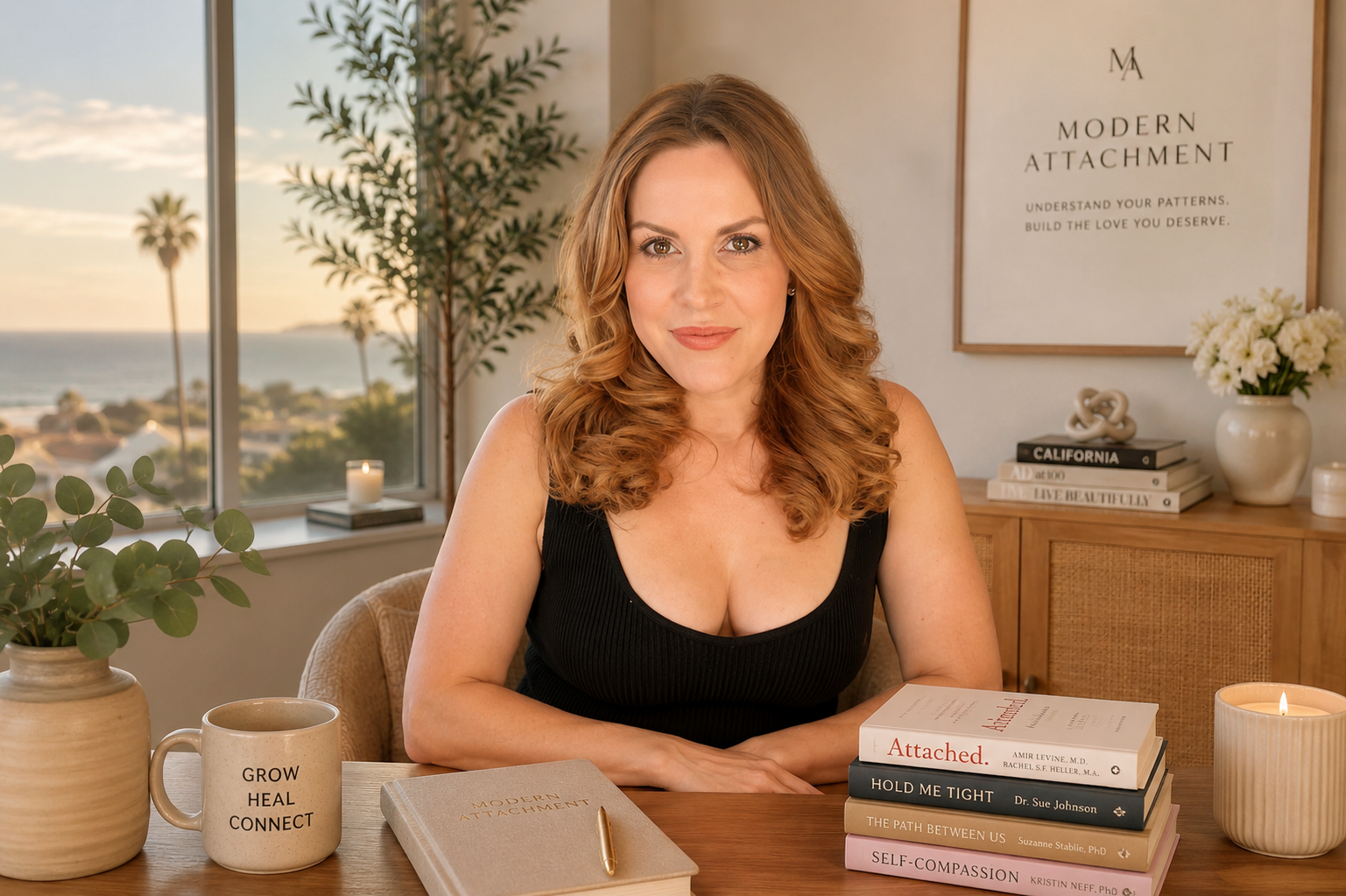
I'm a clinical psychologist, former matchmaker, and adjunct professor teaching Love, Dating & Modern Matchmaking at the University of San Diego.
I help ambitious, growth-oriented people understand their attachment patterns and build healthier relationships. Many of my clients come to me after years of therapy, self-help books, podcasts, and personal growth work - still wondering why the same patterns keep showing up.
Together, we'll identify what's keeping you stuck and create a plan that fits where you are right now.
Frequently Asked Questions About Fearful Avoidant Attachment Style Coaching
-
Yes. Attachment patterns are not permanent. With awareness, practice, and corrective experiences, many people develop significantly greater security in relationships.
-
Yes. The terms are often used interchangeably. Both describe a pattern characterized by conflicting desires for closeness and distance.
-
Absolutely. Many clients come to coaching after years of personal growth work. Coaching focuses on applying insights in real-world situations and building new relationship skills.
-
No. Attachment patterns show up in many areas of life, including friendships, family relationships, work dynamics, and your relationship with yourself.
-
Coaching focuses on education, skill-building, self-awareness, and behavior change. Coaching is not psychotherapy and does not provide mental health treatment or diagnosis.
-
Secure attachment doesn't mean never feeling anxious or overwhelmed.
Securely attached people typically:
Communicate openly
Trust themselves and their partners
Handle conflict without excessive fear
Maintain a sense of self within relationships
Feel connected without becoming consumed by the relationship
Security is less about perfection and more about resilience, trust, and emotional flexibility.
Here are some tips to help you feel a bit more secure.
Not Sure Fearful Avoidant Attachment Tells The Whole Story?
Many people identify with traits from more than one attachment style. Explore the path that feels most familiar.

Value independence but struggle with closeness.

Desire closeness and constant reassurance.

Build healthier relationship patterns.
Not Sure Which Attachment Style Fits Best?
Take the Attachment Styles Quiz for a personalized recommendation.

You Don't Have To Keep Living In The Push-Pull
When one part of you longs for connection and another part feels afraid of it, relationships can become exhausting. The good news is that these patterns can change. With the right support, it's possible to develop greater security, trust, confidence, and connection.
Ready to build healthier relationships?

A Quick Note
Modern Attachment is a psychology-informed coaching and educational service designed to help you better understand your attachment patterns, relationships, and personal growth.
Coaching is not psychotherapy, mental health treatment, or healthcare services, and participation does not establish a psychologist–patient relationship.
If you're seeking therapy or clinical support, please connect with a licensed mental health professional.