
Avoidant Attachment
AVOIDANT ATTACHMENT COACHINGWHY CLOSENESS FEELS COMPLICATED (EVEN WHEN YOU WANT LOVE)

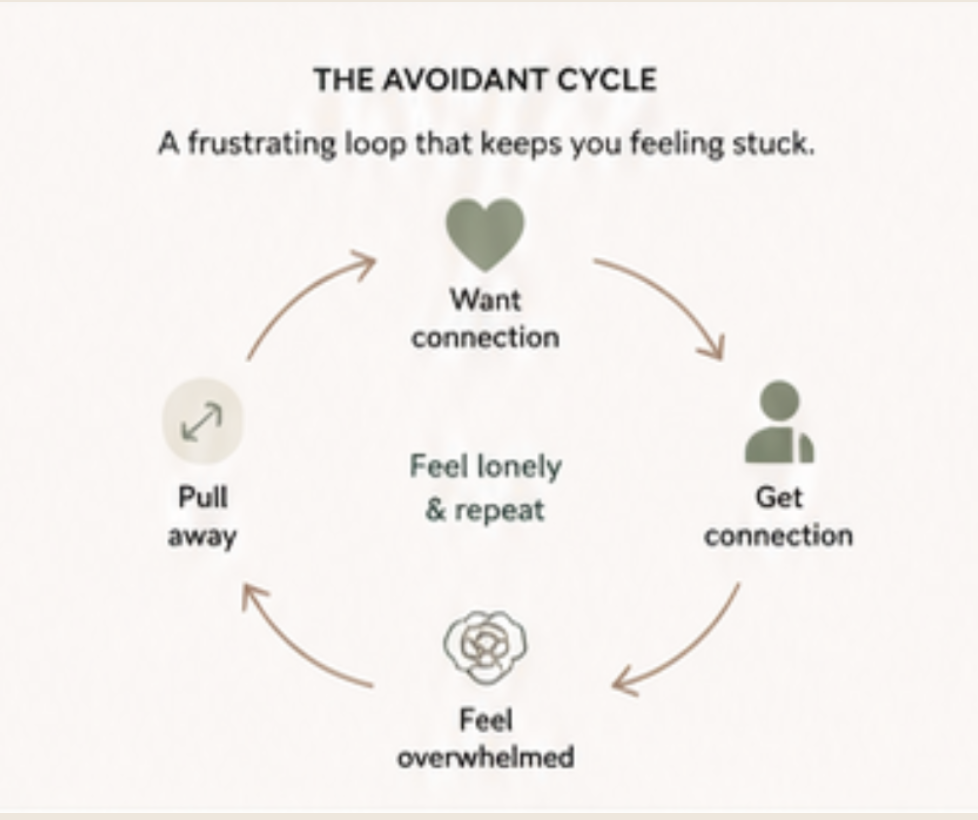
You value independence. You crave connection. But when relationships get serious, something inside you pulls away.
As seen in:



What Is Avoidant Attachment?
Avoidant attachment is a relationship pattern where closeness feels uncomfortable, overwhelming, or threatening - even when you genuinely care about someone.
You learned that relying on others isn’t safe, so you protect yourself by keeping your distance.
Signs You Might Have Avoidant Attachment
Lose interest when someone gets closer
Need a lot of space in relationships
Feel overwhelmed by emotional talks
Pull away during conflict
Feel trapped when it gets serious
Focus on flaws or reasons it wont work
Tell yourself you’re better off alone
Feels relief after ending relationships
The Hidden Experience
Emotional numbing: You care but you feel disconnected from your feelings.
Deactivation: You suddenly focus on reasons it wont work.
Overvaluing independence: Needing support feels uncomfortable or even weak.
Withdrawal during conflict: Instead of facing the issue you move away from it.
Constant Doubt: You keep wondering if there’s someone better out there.
If this sounds familiar, you’re not alone - and you’re not doomed to repeat the same painful patterns.
What Causes Avoidant Attachment?
Attachment styles develop through early relationship experiences. As a child, becoming self-sufficient may have been adaptive. As an adult, it can create challenges in close relationships.
Many people with avoidant attachment grew up learning things like:
Emotions were discouraged
Vulnerability wasn't welcomed
Independence was rewarded
Caregivers were emotionally unavailable
Needs were minimized or ignored
The very strategy that once protected you may now be limiting the connection you want.
Avoidant Attachment in Dating
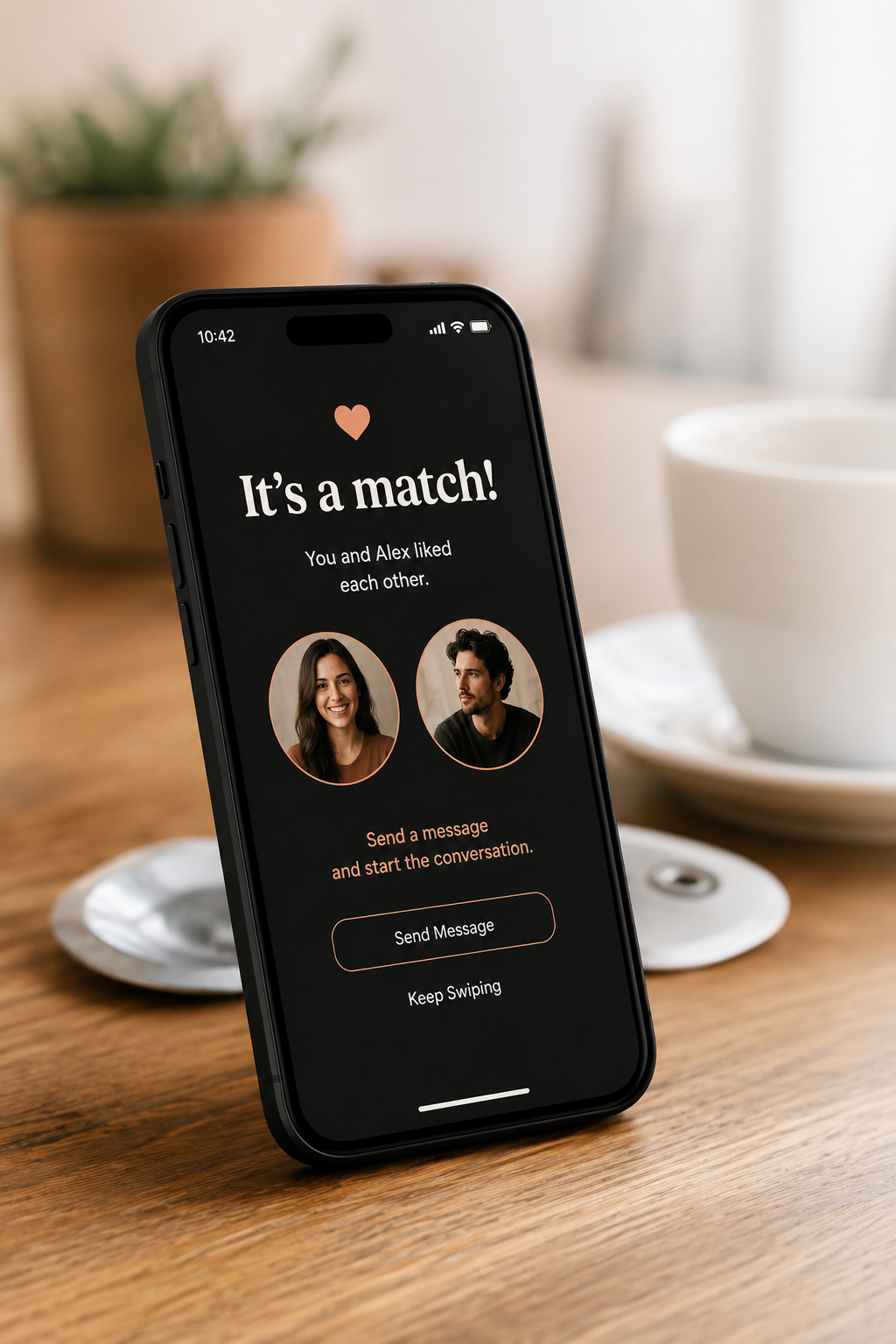
Modern dating can unintentionally reinforce avoidant patterns.
If you're avoidantly attached, you may find yourself:
Enjoying the chase more than the relationship
Feeling most attracted to unavailable people
Losing attraction once someone becomes available
Keeping relationships casual longer than you'd like
Prioritizing chemistry over emotional safety
Leaving relationships before they become vulnerable
Over time, this can lead to confusion, self-doubt, and dating burnout.

Avoidant Attachment in Relationships
Avoidant attachment doesn't mean you can't have a healthy relationship.
But it can create challenges such as:
Difficulty communicating Needs: You may expect your partner to "just know."
Emotional distance: Your partner may experience you as guarded or hard to reach.
Fear of dependence: Relying on someone can feel risky.
Conflict avoidance: Problems stay unresolved because conversations feel overwhelming.
Mixed signals: You want closeness and space at the same time.
This can leave both partners feeling confused and disconnected.
Who This Is For:
You want love and connection, but feel overwhelmed when relationships become more serious.
You pull away, shut down, or create distance when emotions run high.
You struggle to trust others, express your needs, or let people fully see you.
You want deeper, more secure relationships without sacrificing your independence.


When you understand your attachment style, you stop blaming yourself and start building the love you’ve always wanted.
-Dr. Lindsay O’Shea
Clinical Psychologist & Attachment Expert
How Avoidant Attachment Style Coaching Helps

GAIN CLARITY
Understand your attachment style and relationship patterns.

HEAL OLD WOUNDS
Process past experiences that shaped the way you love and connect.

CHANGE PATTERNS
Build new tools to break cycles and respond instead of reacting.

SELF-TRUST
Strengthen your sense of safety, confidence, and self-trust.

RELATIONSHIPS
Attract and maintain secure, fulfilling connections.
What's Possible With Avoidant Attachment Coaching?
Feel close to someone without feeling trapped
Communicate your needs without shutting down
Stay engaged during difficult conversations
Build trust without losing your independence
Stop sabotaging relationships that matter
Create deeper emotional intimacy
UnPattern. Reclaim. Rewire.
The Modern Attachment Approach
UnPattern
We uncover the subconscious patterns keeping you stuck in anxiety, overthinking, and people-pleasing.

2. Understand
We make sense of your attachment blueprint - so you can stop blaming yourself and start getting curious.

3. Rewire
We regulate your nervous system and build new relational skills that create lasting change.

4. Embody
You step into your secure identity and attract relationships that match.
This isn’t about becoming someone new.
It’s about becoming who you’ve always been underneath the patterns.
MEET YOUR COACHHi, I’m Dr. Lindsay O’Shea
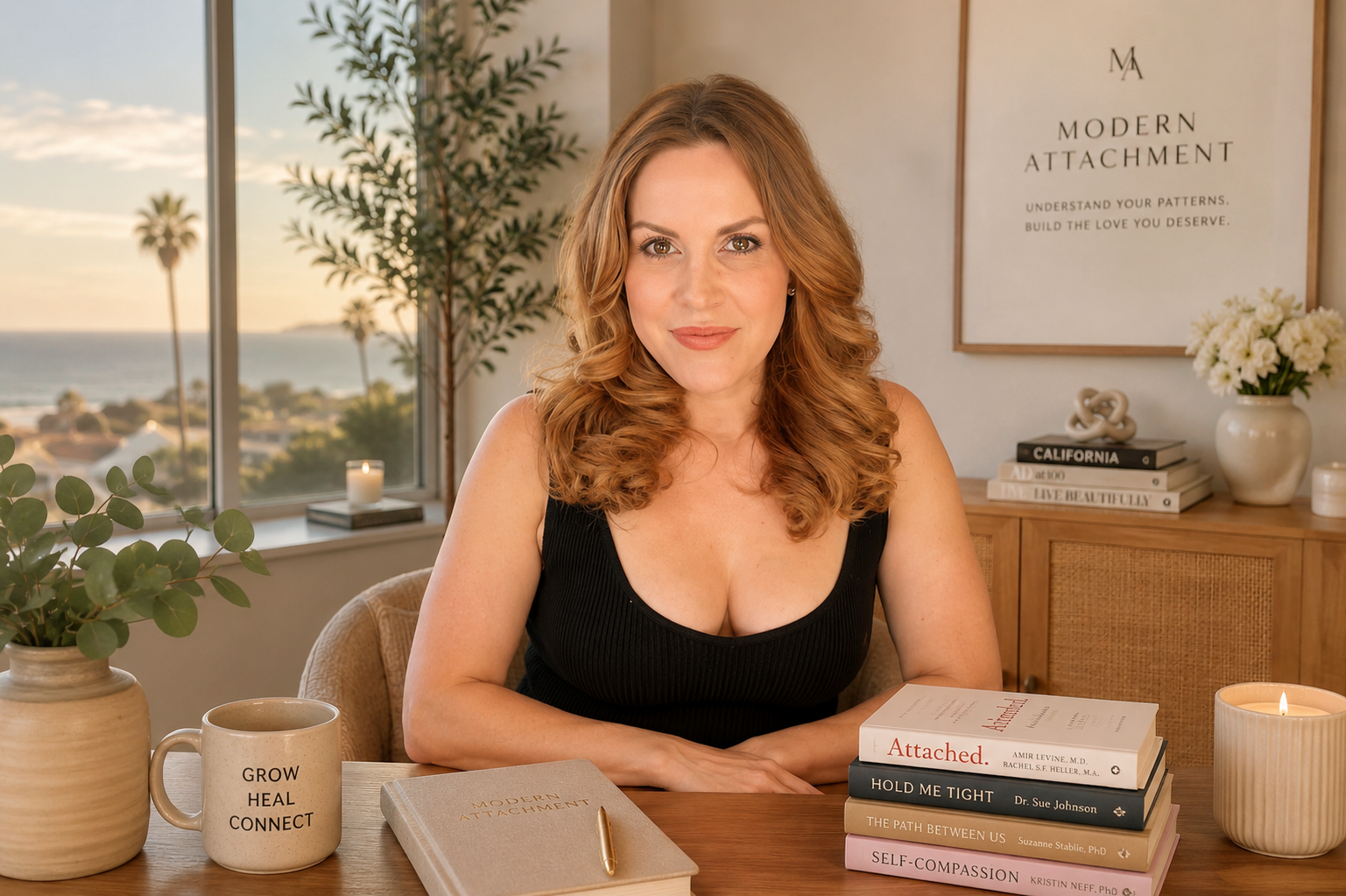
I'm a clinical psychologist, former matchmaker, and adjunct professor teaching Love, Dating & Modern Matchmaking at the University of San Diego.
I help ambitious, growth-oriented people understand their attachment patterns and build healthier relationships. Many of my clients come to me after years of therapy, self-help books, podcasts, and personal growth work - still wondering why the same patterns keep showing up.
Together, we'll identify what's keeping you stuck and create a plan that fits where you are right now.
Frequently Asked Questions About Avoidant Attachment Style Coaching
-
Yes. Attachment styles are patterns, not permanent identities. With awareness, practice, and support, people can develop more secure ways of relating.
-
Not necessarily. Many avoidant individuals want committed relationships but struggle with the vulnerability and dependence that commitment can involve.
-
Yes. Some people have a fearful-avoidant (or disorganized) attachment style, which combines fears of both abandonment and closeness.
-
For many avoidant individuals, increased intimacy can activate discomfort, anxiety, or fears of losing independence. Pulling away often functions as a protective response.
-
This varies, but many avoidant individuals feel drawn to emotionally unavailable partners, long-distance relationships, intense chemistry, or situations that maintain emotional distance.
-
Yes. Avoidant attachment can influence communication, conflict resolution, emotional intimacy, and trust. However, many people with avoidant attachment build healthy, lasting marriages when they learn more secure relationship skills.
-
Secure attachment doesn't mean never feeling anxious or overwhelmed.
Securely attached people typically:
Communicate openly
Trust themselves and their partners
Handle conflict without excessive fear
Maintain a sense of self within relationships
Feel connected without becoming consumed by the relationship
Security is less about perfection and more about resilience, trust, and emotional flexibility.
Here are some tips to help you feel a bit more secure.
Not Sure Avoidant Attachment Tells The Whole Story?
Many people identify with traits from more than one attachment style. Explore the path that feels most familiar.
Desire closeness and constant reassurance.
Crave connection while fearing it.

Build healthier relationship patterns.
Not Sure Which Attachment Style Fits Best?
Take the Attachment Styles Quiz for a personalized recommendation.

You Don't Have To Choose Between Independence And Connection
Let's explore the patterns that have been keeping you stuck and create a path toward the connection you're looking for.

A Quick Note
Modern Attachment is a psychology-informed coaching and educational service designed to help you better understand your attachment patterns, relationships, and personal growth.
Coaching is not psychotherapy, mental health treatment, or healthcare services, and participation does not establish a psychologist–patient relationship.
If you're seeking therapy or clinical support, please connect with a licensed mental health professional.