
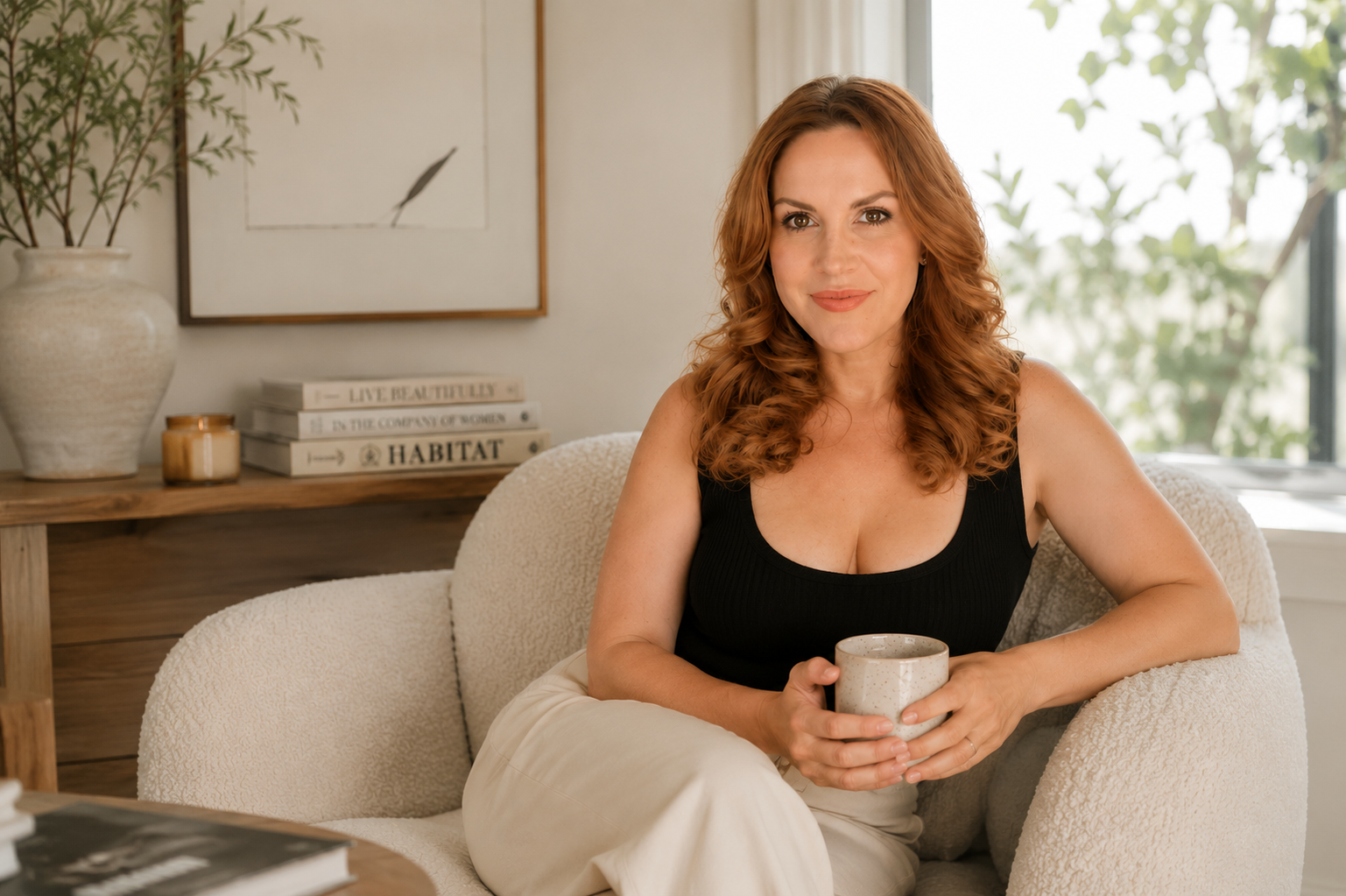
Understand Your Attachment Style. Change Your Relationship Patterns.
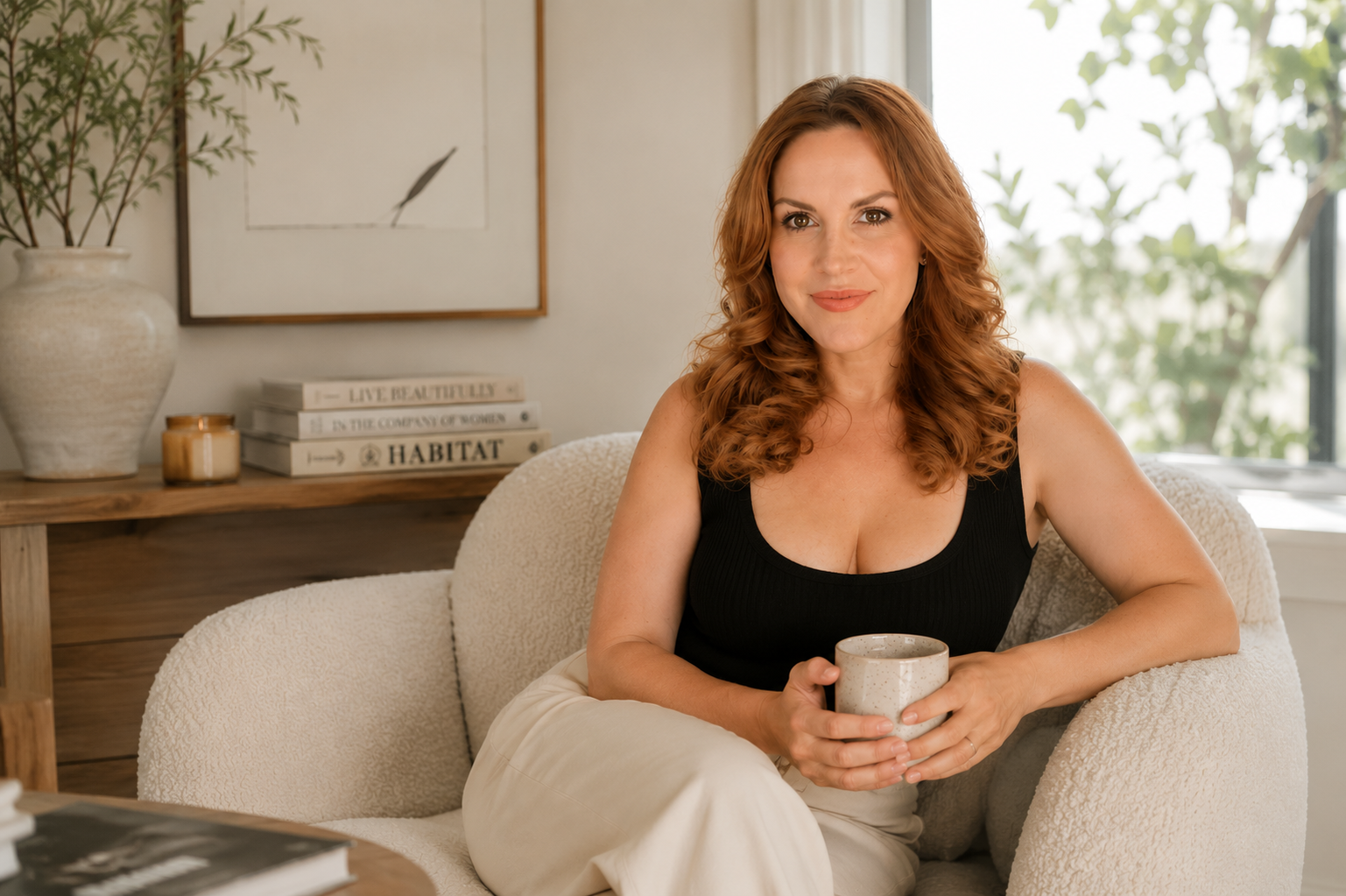
Your attachment style influences how you love, connect, and show up in relationships. Through personalized coaching with Dr. Lindsay O’Shea you’ll gain insight, heal old wounds, and create secure, healthy connections.
As seen in:



Discover Your Attachment Style
The way you connect, communicate, and navigate relationships is shaped by your attachment style. Understanding your attachment style is the first step toward changing relationship patterns and building secure love.
Your attachment style influences:
♡ Attraction | ♡ Communication | ♡ Conflict | ♡ Emotional Safety
You crave closeness but fear rejection and abandonment.

ANXIOUS
You value independence but struggle with vulnerability.

AVOIDANT
You want connection but fear getting hurt, so you pull away.

FEARFUL AVOIDANT
You feel comfortable with closeness and can trust love.

SECURE
Who This Is For:
Feel stuck in the same relationship patterns
Struggle with anxiety in relationships
Pull away to protect yourself
Have a hard time trusting or opening up
Want deeper, more secure connections
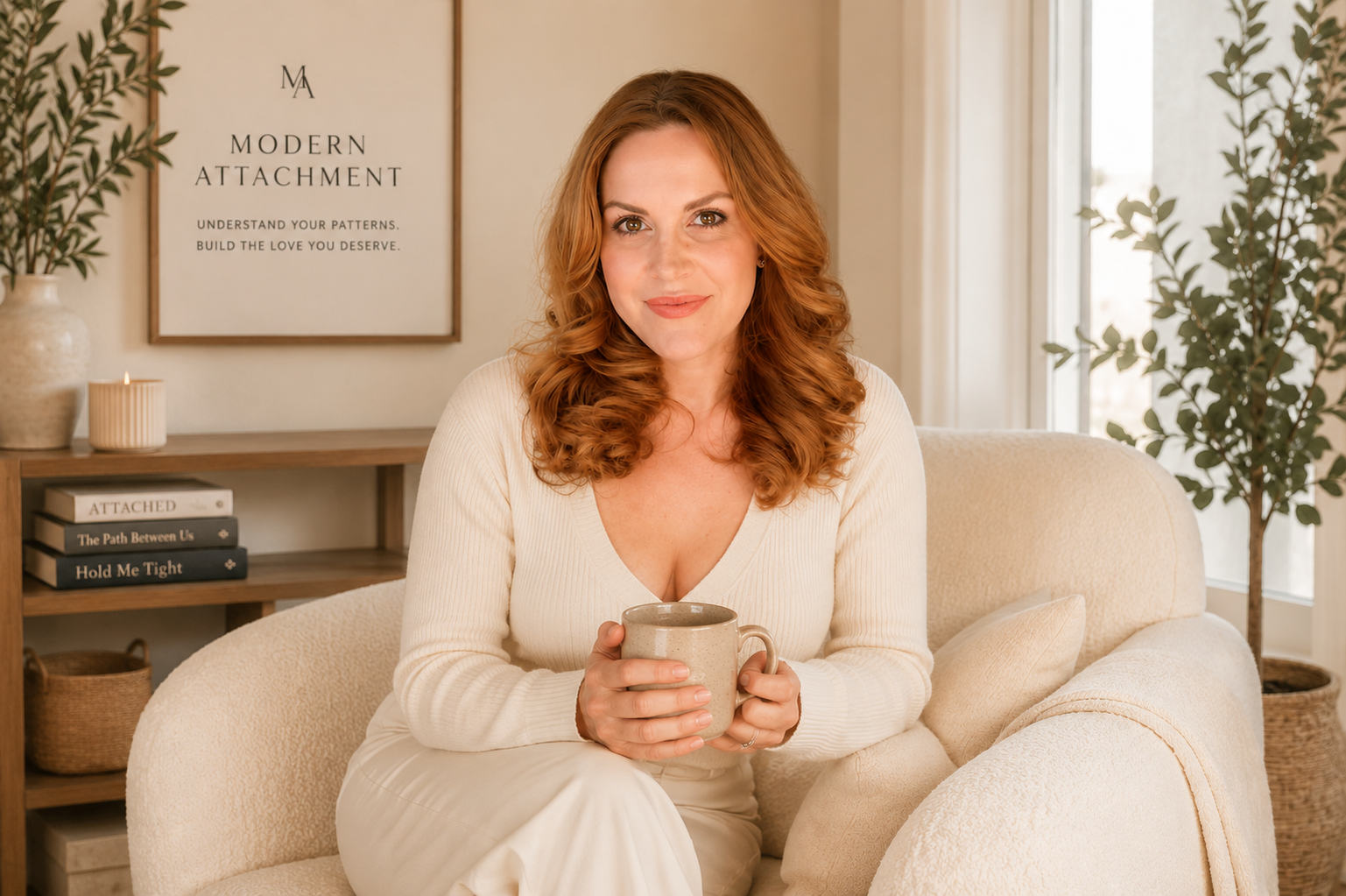

When you understand your attachment style, you stop blaming yourself and start building the love you’ve always wanted.
-Dr. Lindsay O’Shea
Clinical Psychologist & Attachment Expert
The Modern Attachment ApproachHow We Create Change
Understanding your patterns is important. Learning how to respond differently is what creates lasting change.

Recognize
Understand the relationship patterns, beliefs, and triggers shaping your dating life and relationships.

2. Regulate
Learn how to navigate difficult emotions without spiraling, shutting down, people-pleasing, or abandoning yourself.

3. Respond Differently
Practice new ways of communicating, setting boundaries, dating, and relating to others.

4. Create Lasting Change
Build relationships that feel more secure, intentional, and aligned with who you are.
This isn't about becoming someone new.
It's about understanding yourself more deeply and creating relationships that feel healthier, safer, and more fulfilling.
Frequently Asked Questions About Attachment Style Coaching
-
Attachment style coaching helps you understand the relationship patterns that influence who you're attracted to, how you communicate, how you handle conflict, and how safe you feel in relationships.
Many people know they're stuck in unhealthy dating patterns but aren't sure why. Attachment coaching helps uncover the underlying beliefs, emotional habits, and relationship dynamics driving those patterns so you can create healthier, more secure connections.
At Modern Attachment, coaching combines attachment theory, psychology, relationship science, and practical tools to help you break old patterns and build more fulfilling relationships.
Common reasons people seek attachment coaching include:
Repeating the same dating patterns
Anxiety in relationships
Difficulty trusting others
Fear of abandonment or rejection
Attracting emotionally unavailable partners
Struggling to move on after a breakup
Wanting a secure, lasting relationship
-
Yes.
Attachment styles are not personality traits. They are learned relationship patterns that develop through early experiences and important relationships throughout life.
Because attachment patterns are learned, they can also be changed.
Research shows that people can move toward a more secure attachment style through self-awareness, healthier relationship experiences, and intentional personal growth.
Whether you identify as anxious, avoidant, or fearful avoidant, attachment coaching can help you:
Understand your triggers
Develop healthier communication skills
Build emotional security
Create stronger boundaries
Form more secure relationships
Many clients begin coaching feeling stuck in the same relationship cycle and leave with a much deeper sense of confidence, clarity, and self-trust.
-
Most people fall into one of four attachment styles:
Anxious Attachment
You crave closeness but often fear rejection, abandonment, or losing the relationship.
Avoidant Attachment
You value independence and may feel uncomfortable relying on others or becoming emotionally vulnerable.
Fearful Avoidant Attachment
You want connection but also fear getting hurt, creating a push-pull dynamic in relationships.
Secure Attachment
You feel comfortable with intimacy, trust, emotional closeness, and healthy interdependence.
Not sure which one sounds like you?
Take the Attachment Style Quiz to discover your attachment pattern and learn how it may be affecting your relationships.
-
Yes.
Therapy and coaching can both be valuable, but they serve different purposes.
Therapy often focuses on healing past wounds, treating mental health concerns, processing trauma, and improving emotional well-being.
Attachment Coaching focuses on helping you understand current relationship patterns, develop new skills, and create meaningful change moving forward.
Many clients come to coaching because they already have insight into their patterns but want practical guidance on how to actually change them.
As a licensed psychologist, Dr. Lindsay O'Shea brings a deeper understanding of attachment, relationships, and human behavior while maintaining a coaching approach focused on growth, goals, and action.
-
The answer depends on your goals, relationship history, and the patterns you're working to change.
Some clients gain significant clarity and insight within a few sessions.
Others choose ongoing coaching to work through deeper attachment wounds, dating challenges, relationship anxiety, or long-standing relationship patterns.
Most people begin noticing meaningful shifts when they consistently apply what they're learning between sessions.
Attachment coaching is not about becoming a different person. It's about developing the awareness, skills, and confidence needed to build healthier relationships.
-
Anxious and avoidant attachment styles often feel very different, but they are both forms of insecurity in relationships.
Anxious Attachment
People with anxious attachment often:
Fear abandonment
Overanalyze communication
Seek reassurance
Feel preoccupied with relationships
Worry about losing connection
Avoidant Attachment
People with avoidant attachment often:
Value independence
Pull away when relationships become emotionally intense
Struggle with vulnerability
Need more space during conflict
Feel uncomfortable depending on others
Interestingly, anxious and avoidant people are often attracted to one another, creating a cycle where one person pursues connection while the other withdraws.
Understanding these patterns is often the first step toward building healthier, more secure relationships.
-
One of the most common reasons people seek attachment coaching is because they feel stuck in a cycle of attracting emotionally unavailable partners.
Often, the issue isn't simply who you're attracting—it's who you're choosing, pursuing, and staying invested in.
Your attachment style can influence what feels familiar, exciting, safe, or attractive in relationships.
Attachment coaching helps you recognize these patterns, understand what's driving them, and learn how to choose partners who are capable of the connection you actually want.
-
Attachment coaching cannot guarantee a relationship, but it can help you become more intentional, self-aware, and secure in the way you approach dating and relationships.
Clients often report:
Greater confidence while dating
Less anxiety and overthinking
Stronger boundaries
Better partner selection
Improved communication
More secure and fulfilling relationships
The goal isn't just to find a relationship. It's to create the kind of relationship that feels healthy, reciprocal, and emotionally safe.

Attachment Styles Can Change
The relationship patterns you've learned aren't permanent.
With awareness, practice, and support, you can build secure, connected relationships.
A Quick Note
Modern Attachment is a psychology-informed coaching and educational service designed to help you better understand your attachment patterns, relationships, and personal growth.
Coaching is not psychotherapy, mental health treatment, or healthcare services, and participation does not establish a psychologist–patient relationship.
If you're seeking therapy or clinical support, please connect with a licensed mental health professional.